Magnetic Technology Replaces Traditional Welding & Drilling Processes – Application Solutions for the Wind Power Industry
Traditionally, ladders, cables, climb-assist devices, elevators, sensors, lighting fixtures and other components inside wind turbine towers are mostly secured using nail fasteners, drilling and welding. This conventional method has obvious drawbacks in practical operation. Wind farms operate under harsh working conditions, and turbine towers are prone to continuous shaking caused by strong winds. Combined with the aging of bolts and fasteners under long-term dynamic loads, the fixing parts are likely to break and fall off. In addition, drilling and welding will damage the tower structure, weaken its structural strength and greatly reduce the service life of wind turbine towers.
Adopting magnetic fixing technology can fundamentally eliminate the above risks. It enables the installation of various light-duty components inside turbine towers without drilling or welding. This solution improves the fatigue resistance of tower structures and extends their service life. It can also reinforce and repair positions where fasteners have loosened or fallen off. Since hot work and drilling in confined spaces are completely avoided, overall construction safety and operational stability are greatly enhanced.
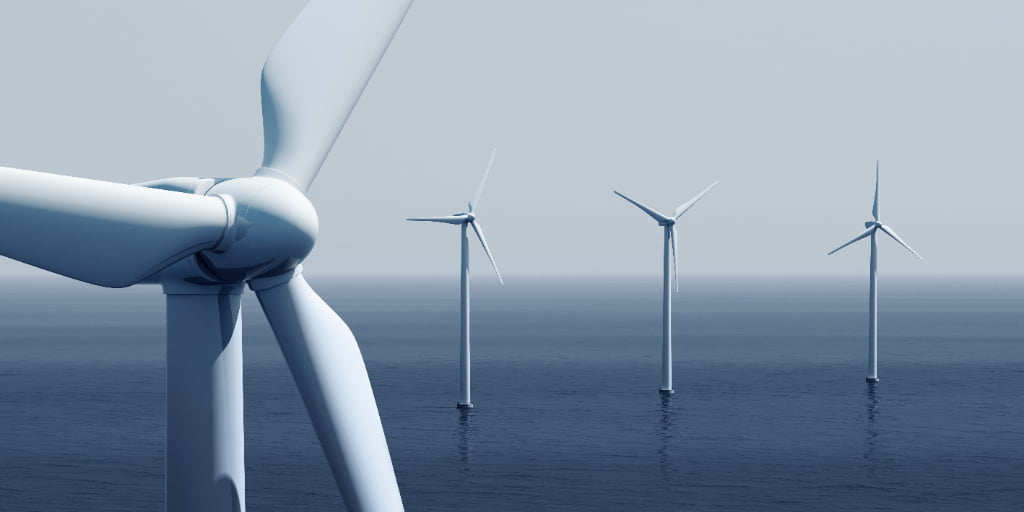
This technology features wide applicability. It works well for wind turbine towers, nacelles, as well as offshore platforms. Lightweight parts can be directly installed via magnetic force. For heavy-duty components, combined magnetic units can serve as load-bearing anchor points, which streamlines hoisting and construction work.
As the installed capacity of wind power continues to expand, a large number of facilities have entered the intensive maintenance phase. Meanwhile, industry safety regulations are being updated, and asset owners are setting higher standards for safe operation. With the core advantages of superior safety, high efficiency and non-destructive installation, magnetic fixing technology is a more ideal choice than conventional processes for new wind power projects and routine maintenance, delivering remarkable practical value.